
Tap water in the Balearics: taste, limescale and what it does to your skin
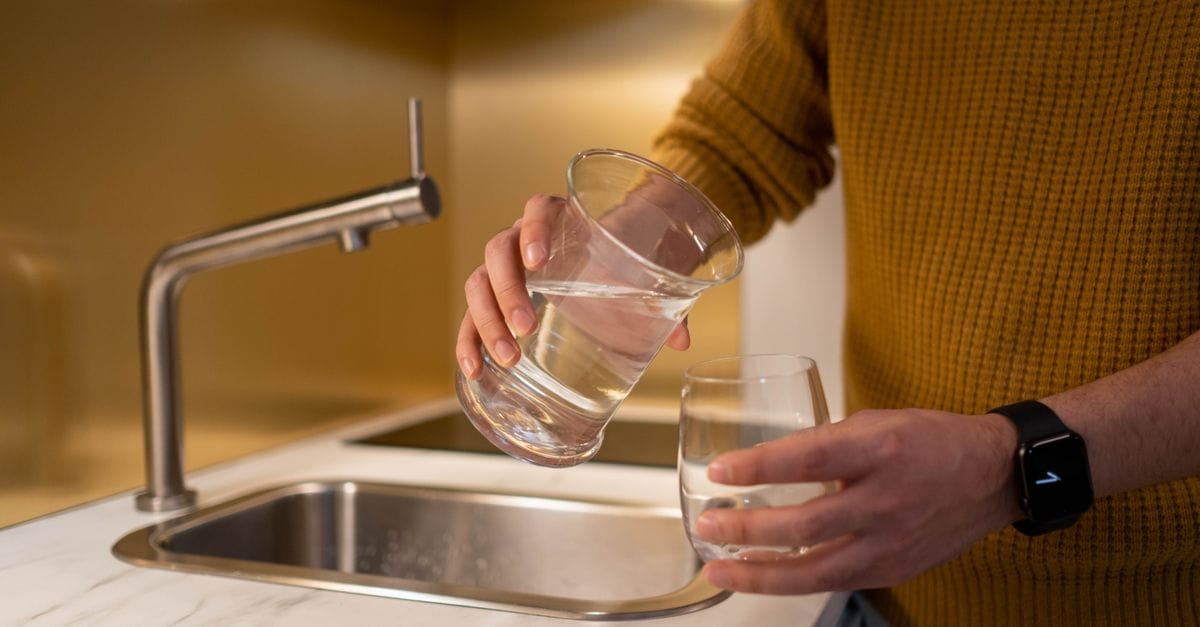
Yes, you can drink the tap water in the Balearics, it is safe and meets EU standards. In Palma, the water supplied by EMAYA offers every health guarantee for drinking and cooking. The real issue is not safety, then, but taste and limescale, because this water is very hard, and that changes things for your coffee, your skin, your hair and your appliances.
The picture differs from island to island. Where supply relies heavily on desalination, as in Ibiza and Formentera, the taste is often more pronounced, and many residents filter it or buy bottled water. Here is why, and above all what to do about it.
Can you really drink the tap water in the Balearics?
Yes, in the main towns of Mallorca and Menorca, tap water is drinkable and meets European standards. In Palma, EMAYA guarantees water fit for consumption. One caveat flagged by testing: the water is very mineralised, with a nitrate level around 26 mg per litre in Palma, slightly above the WHO's recommended threshold (25 mg per litre). Nothing alarming for a healthy adult, but worth knowing, particularly for infants, for whom a suitable water is generally preferred.
Why the pronounced taste and all that limescale?
It is a matter of geology. The Balearics' limestone bedrock loads the water with calcium and magnesium, giving it a high hardness that can leave a metallic taste and scales everything it touches. Quality improves at times thanks to reservoir supply and osmosis-treated water from treatment plants, such as the Son Tugores potabilisation plant and the Palma Bay desalination plant. To reduce dependence on groundwater, the archipelago increasingly relies on desalination, which secures supply but does not remove the limescale.
Is it the same across the four islands?
No, and that is typical of the archipelago. The general picture is below.
| Island | Tap water | In practice |
|---|---|---|
| Mallorca (Palma) | Drinkable, very hard | Fine to drink, a pronounced limescale taste |
| Menorca | Drinkable, hard | Often the best tolerated on taste |
| Ibiza | Relies heavily on desalination | Pronounced taste, bottled water and filters common |
| Formentera | Desalination, a fragile resource | Water saving is essential |
On the islands most dependent on desalination, the water stays safe but its taste pushes many residents towards a filter or bottled water. In Menorca, by contrast, tap water tends to go down better.
What hard water changes for your skin, hair and home
Very hard water dries out skin and leaves hair coarser, especially if you are coming from a soft-water region. At home, limescale builds up in the kettle, the washing machine, the water heater and the taps, shortening their life and adding to your maintenance bill. It is a cost worth planning for in your settling-in budget, which we cost out in our guide to the cost of living in the Balearics.
Should you filter, soften, or buy bottled water?
It depends on your priority. For taste, a jug or tap filter is often enough. To protect your home from scale, a water softener (descalcificador) is the thorough solution, common in the Balearics. Bottled water helps in a pinch but is costly and adds to waste. For skin and hair, a good moisturising routine and a filtering showerhead limit the discomfort. Plan for this equipment when you set up your utility meters, a step in your first days settling in.
Frequently asked questions
Is tap water dangerous in the Balearics?
No. It is drinkable and meets European standards in the public networks. Limescale and taste are comfort issues, not safety ones, aside from some caution on nitrates for infants.
Why do so many people buy bottled water?
Mostly for taste, quite pronounced where water is hard or desalinated, as in Ibiza. It is not an admission that the water is unsafe, just a taste preference.
Is a water softener worth it?
If you are settling for the year, yes. It protects appliances and pipework from scale and improves comfort for skin and hair. It is common equipment on the islands.
Can you cook and make coffee with tap water?
Yes, with no safety concern. A filter simply improves the taste of coffee and tea, which limescale tends to affect.
Water quality and treatment can vary by area and season; check local advisories if in doubt. Information verified in August 2026. The Daily Baleares is an AI-assisted publication with human review.
Le Livre blanc 2026 de l'expat
NIE, empadronamiento, fiscalité, école, logement : tout l'essentiel pour s'installer, réuni dans un guide PDF. Laisse ton e-mail, on te l'envoie.
🎉 Et voilà ! Ton Livre blanc 2026 de l'expat s'ouvre ici :
Ouvrir le Livre blanc 2026Dernière étape pour rejoindre l'aventure : confirme ton inscription dans l'e-mail qu'on vient de t'envoyer.
Réagis à cet article