
Moving to the Balearic Islands: your first 90 days
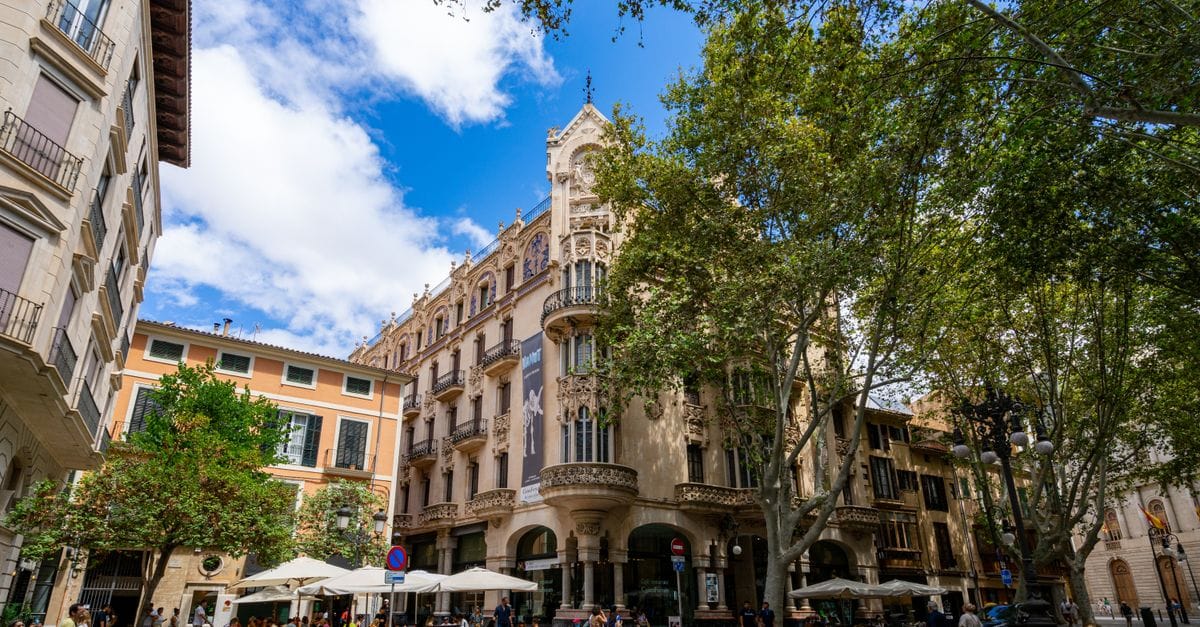
To settle in the Balearics without scattering your energy, follow this order: a roof first (even a temporary one), then the empadronamiento at your island town hall, then your NIE and your residency registration, then healthcare with IB-Salut, and finally the bank account, energy, transport and school. Each step unlocks the next, so the order matters as much as the speed.
One thing shapes everything here: whether you are an EU citizen or not. EU nationals, including Irish citizens, simply register and receive an EU registration certificate. Non-EU newcomers, including British and American nationals, must arrive on the right visa first (non-lucrative, digital nomad or work visa) and then apply for a TIE residence card. The big practical difference with the mainland, though, is insularity: aim to arrive outside the summer season, when long-term housing still exists, and book ferries early if you are bringing a car and furniture. Here is the roadmap, week by week.
Weeks 1 to 2: a roof and the empadronamiento
Your first mission is somewhere to live, even a short let while you find better, because this is the tightest housing market in Spain. As soon as you have a stable address, head to the town hall (Palma, Ibiza, Mao, Ciutadella, Sant Francesc and so on) for the empadronamiento, your entry in the municipal register. That certificate is the key to almost everything that follows: healthcare, residence card, school. To find and secure that home, our guide to renting in the Balearics without getting caught out will save you time.
Weeks 2 to 4: your NIE and your residency
The NIE is your foreigner identification number, needed for everything from a tenancy to an employment contract, and everyone needs one whatever their nationality. What comes next depends on your passport.
- EU and Irish citizens: if you plan to stay more than three months, apply for the EU registration certificate within 90 days of arrival. The process runs through an appointment (cita previa) with the Policia Nacional, Illes Balears province, using form EX18, the modelo 790 codigo 012 fee paid in advance, your empadronamiento, proof of means and health cover. The certificate is then valid for five years.
- Non-EU citizens (British, American): you should already hold the visa that let you enter (non-lucrative, digital nomad or work). Once here, apply for your TIE card, generally within about 30 days of arrival, at the Policia Nacional, with the empadronamiento first, the modelo 790 codigo 012 fee and a biometric (fingerprint) appointment. Note that the Golden Visa was abolished in 2025, so it is no longer a route.
Weeks 3 to 6: healthcare (IB-Salut) and a bank account
Once you are empadronado and affiliated, request your individual health card from the health centre for your address. You book by phone through INFOSALUT CONNECTA on 971 220 000, and the address you give must match your empadronamiento (source: ibsalut.es). With the card, a family doctor is assigned according to your sector. British State Pensioners should register an S1 form so the UK pays for their public cover; holders of a non-lucrative or digital nomad visa must instead keep the full private insurance their visa requires. In parallel, open a Spanish bank account, usually on presentation of your NIE, passport and proof of address, which smooths rent, direct debits and subscriptions. Our guide to opening a bank account in the Balearics covers the detail island by island.
Weeks 4 to 8: school, transport and energy
If you have children, start the school enrolment as early as you can, aiming if needed at an international or British school, both well represented on Mallorca. Put the water and electricity meters in your name, sign up for internet, and get your transport passes. Formentera has no airport, so everything transits through Ibiza, which changes daily logistics if you settle there.
What changes because it is an island (or four)
Three habits specific to the archipelago. First, genuinely choose your island before you put down roots, because services, prices and pace differ sharply from one to the next. Second, book your ferries well ahead if you are moving with a vehicle, especially from June to September. Third, keep in mind that Formentera has no airport, so all your travel and deliveries route through Ibiza.
The chronological checklist
| Step | When | Where / how |
|---|---|---|
| Housing (even temporary) | Before or on arrival | Rental, very tight market |
| Empadronamiento | Week 1-2 | Town hall of your island municipality |
| NIE + residency (EU certificate or TIE) | EU: within 90 days / non-EU: about 30 days | Policia Nacional, cita previa, EX18 or TIE, tasa 790-012 |
| IB-Salut health card | After the empadronamiento | Health centre, 971 220 000 |
| Bank account | After the NIE | Local bank, NIE + supporting documents |
| School, energy, transport | Week 4-8 | Town hall, providers, TIB/EMT networks |
Frequently asked questions
What is the very first step to take?
Secure somewhere to live, then the empadronamiento at the town hall. Without a registered address, most of the later steps (healthcare, residence card, school) stay blocked.
How long to be fully in order?
Count a few weeks to three months depending on appointment waits. EU citizens must apply for the registration certificate within 90 days of arrival, and non-EU newcomers should apply for the TIE within roughly 30 days, so do not sit on the cita previa.
Can you get a family doctor without being resident?
Access to a family doctor through IB-Salut assumes you are empadronado and affiliated. At the start, EU citizens are covered by their EHIC while they regularise; British visitors should note the GHIC covers tourists only, not residents, so residents need an S1, private insurance or the Convenio Especial once eligible.
Do you have to do everything on the same island?
Yes, your procedures happen where you are empadronado. If you move island, you update your empadronamiento and your health records at your new address.
Information verified in August 2026. The Daily Baleares is an AI-assisted publication with human review. Residency and healthcare rules differ by nationality, so always confirm your route with the official Spanish sources and your consulate before you act.
Le Livre blanc 2026 de l'expat
NIE, empadronamiento, fiscalité, école, logement : tout l'essentiel pour s'installer, réuni dans un guide PDF. Laisse ton e-mail, on te l'envoie.
🎉 Et voilà ! Ton Livre blanc 2026 de l'expat s'ouvre ici :
Ouvrir le Livre blanc 2026Dernière étape pour rejoindre l'aventure : confirme ton inscription dans l'e-mail qu'on vient de t'envoyer.
Réagis à cet article