
Can you trust the origin labels on Balearic food?
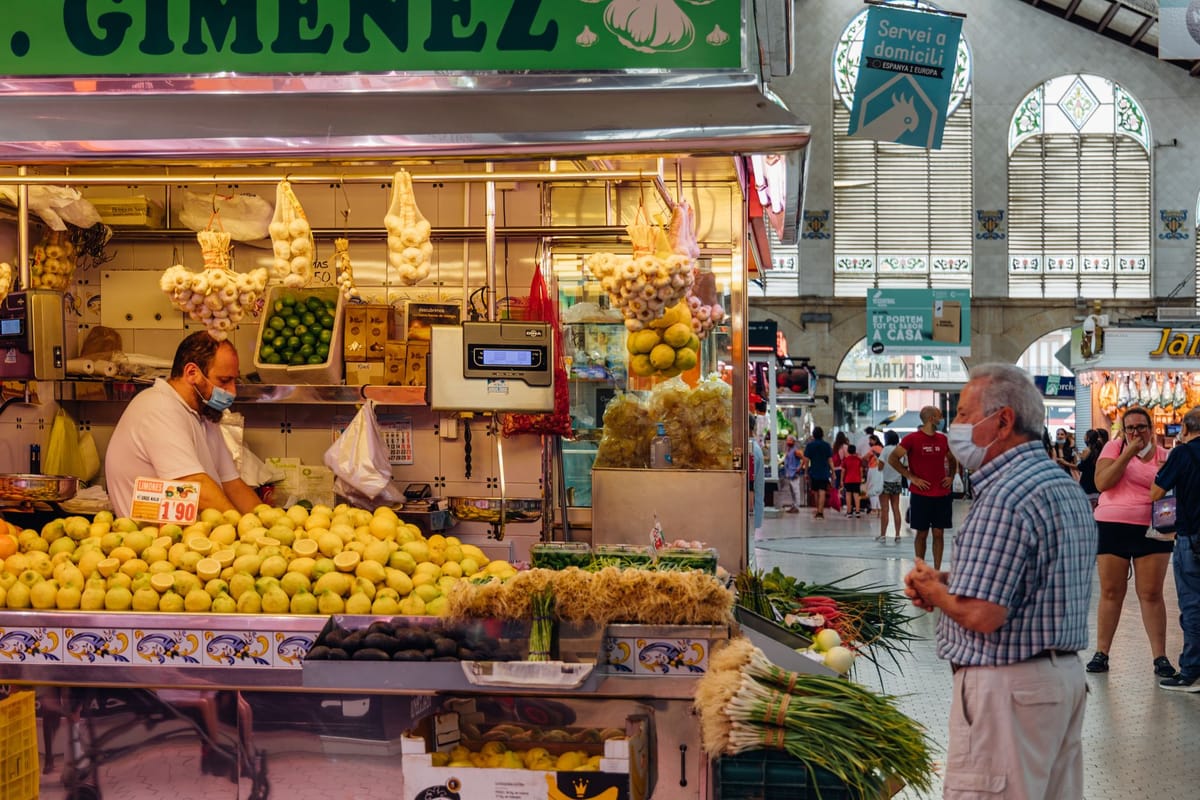
Yes, you can trust the origin of a Balearic product when it carries an official label (DOP, IGP or a denominacio d'origen overseen by a consejo regulador), but stay cautious about the simple words "from Mallorca" or "producte balear" printed on a package with no seal or number: nothing about it is regulated. The rule is simple: a European logo or a numbered back-label means an independent certifying body is checking it; a nice marketing phrase answers to nobody.
In the Balearics, food is a powerful selling point, and the gap between what is genuinely guaranteed and what is merely implied is worth clearing up. Here is how to read a label correctly, product by product.
What does an IGP or DOP label actually guarantee in the Balearics?
An official label means an independent body, the consejo regulador (regulatory council), checks and certifies the product against a registered specification. In the Balearics, these labels sit under the Institut de Qualitat Agroalimentaria de les Illes Balears (Illes Balears Qualitat portal). Here is the status of the flagship products, each verifiable with its own council:
- Sobrassada de Mallorca: an IGP (protected geographical indication) recognised by the EU in 1996. The Consell Regulador keeps two separate registers, Sobrassada de Mallorca and Sobrassada de Mallorca de Porc Negre.
- Ensaimada de Mallorca (or Ensaimada mallorquina): an IGP entered in the EU register in 2003 (EU regulation of 2004). The Consell Regulador requires it to be made on the island with saim (lard), not butter or a vegetable fat.
- Formatge Mao-Menorca: a DOP (protected designation of origin), the strictest protection. Recognised as early as 1985, entered in the EU register in 1996. According to its consejo regulador, the DOP passed 2.6 million kilos sold in 2025 (source: Ultima Hora, 17 October 2025).
- Oli de Mallorca: a DOP since 2002, reserved for extra virgin olive oil bottled on the island, with a numbered back-label issued by the council.
- Binissalem wines (regulation ratified in 1991) and Pla i Llevant wines (created in 1999, regulation ratified in 2001): two denominacions d'origen governing grape varieties, zone and winemaking.
- Gin de Mahon (the iconic Xoriguer brand): a geographical indication recognised in November 2010, distilled in Menorca in a copper still over a wood fire.
"Made in Mallorca" or "Balearic raw material": what is the difference?
This is the most misunderstood point. A label mostly guarantees a place and a method of production, not always the origin of the raw material. That nuance changes everything when you pay.
Sobrassada is the perfect illustration. The "Sobrassada de Mallorca" IGP guarantees it is made and matured in Mallorca to the specification, but the pork itself can come from elsewhere. Only the "de Porc Negre" variant certifies the native breed, the Mallorcan black pig, born, raised free-range and slaughtered on the island. A standard IGP sobrassada is therefore Mallorcan by its recipe, not necessarily by its pig.
Same logic for the ensaimada: the IGP requires the technique, the saim and the slow fermentation to happen on the island, but the wheat flour is not of Balearic origin, since the archipelago does not grow enough to meet its own consumption. "Made in Mallorca" is true; "100 percent Balearic ingredients" would be false. Keep the distinction in mind: the label protects local know-how, it does not turn an imported raw material into a local product.
How do you read a label before buying?
Trust the seals and the numbers, not the adjectives. The table below sums up what each mention guarantees and where to find it on the packaging.
| Label or wording | What it guarantees | Where to see it |
|---|---|---|
| DOP (Mao-Menorca, Oli de Mallorca) | Origin AND production in a defined zone, quality tied to the terroir, strict control by the consejo regulador | European DOP logo (red and yellow) and a numbered back-label from the council |
| IGP (Sobrassada, Ensaimada, Gin de Mahon) | Reputation tied to the place and at least one key step there (often production); the origin of the raw material is not always guaranteed | European IGP logo (blue and yellow) and the consell regulador's mark |
| DO wines (Binissalem, Pla i Llevant) | Grapes, approved varieties and winemaking within the protected zone | The consell regulador's back-label stuck on the bottle |
| Producte Balear / Producte de les Illes Balears | Grown, produced or fully made in the Balearics (voluntary public mark from the Govern) | Official logo launched in 2025, naming the island or "Illes Balears" |
| Free wording "from Mallorca", "artisanal", "balear" | Nothing checked: a plain marketing claim | Text on the packet, with no seal, no number, no council named |
Is there an official "Producte Balear" logo?
Yes, since 2025. The Balearic Govern launched an official logo in July 2025 to identify local produce, with a usage manual governing it. The system has two levels: a generic mark for local products and a more precise mark split into three categories, depending on how closely tied the product is to local ingredients or varieties. Each label can state the exact origin, "Illes Balears" or the specific island's name.
A product counts as local when it is grown, produced or fully made in the archipelago. The mark is open to farmers, livestock breeders, fishermen, food manufacturers, shops and restaurants. Note: this regional guarantee mark certifies origin, but it does not replace a DOP or IGP and does not reach their level of sensory control. It complements schemes already in place such as the Establiment d'Or mark, which lists shops selling labelled products. This subject touches directly on the life of farms, which we detail in our guide to the foravila and Mallorca's countryside rules.
Has there been labelling fraud in the Balearics?
Yes, and the most widely reported case involves the ensaimada itself. In July 2023, the Govern's Conselleria d'Agricultura seized around 500 ensaimadas at Palma and Ibiza airports (Ultima Hora, 21 July 2023; a statement from the Govern on caib.es). Inspectors found these pastries had been produced and frozen by a manufacturer based outside the Balearics, transported frozen to the islands, then sold as "fresh" with no label stating they had been thawed, a mandatory disclosure.
The complaint came from the Consell Regulador de l'Ensaimada de Mallorca itself, which shows the watchdog role these bodies play. El Periodico de Ibiza (22 July 2023) reported that at Ibiza airport, cream-filled ensaimadas were labelled with a shelf life of up to eight months, a timeframe judged risky for health. The lesson for shoppers: a pastry sold as "fresh from Mallorca" in an airport shop is only trustworthy if it carries its regulatory council's seal.
Frequently asked questions
Are DOP and IGP the same thing?
No. DOP (denominacio d'origen protegida) is the strictest: production and processing both happen in the zone, and quality comes from the terroir. IGP (indicacio geografica protegida) requires at least one key step, often production, to happen in the zone, but tolerates some raw materials coming from elsewhere. In the Balearics, Mao-Menorca and Oli de Mallorca are DOPs; sobrassada, ensaimada and Gin de Mahon are IGPs.
Is an IGP sobrassada made with Balearic pork?
Not necessarily. The "Sobrassada de Mallorca" IGP guarantees production on the island, not the origin of the pork. For a pig born and raised in Mallorca, look for the "de Porc Negre" (black pig) wording, the only variant certifying the native breed.
Is the words "producte balear" on a packet enough?
No, if written without an official logo. Since 2025, only the Govern's "Producte Balear" logo, or a DOP, IGP or DO, means anything is actually checked. A plain "producte balear" phrase printed by the manufacturer is verified by no one.
Where can you find genuinely certified products?
At farmers' markets, agricultural cooperatives and shops displaying the Establiment d'Or mark. On the product itself, always check for the numbered back-label or the European DOP/IGP logo before paying the "origin" premium.
Found a misleading label in a Balearic shop, or produce under a label yourself? Information verified in August 2026. The Daily Baleares is an AI-assisted publication with human review.
Le Livre blanc 2026 de l'expat
NIE, empadronamiento, fiscalité, école, logement : tout l'essentiel pour s'installer, réuni dans un guide PDF. Laisse ton e-mail, on te l'envoie.
🎉 Et voilà ! Ton Livre blanc 2026 de l'expat s'ouvre ici :
Ouvrir le Livre blanc 2026Dernière étape pour rejoindre l'aventure : confirme ton inscription dans l'e-mail qu'on vient de t'envoyer.
Réagis à cet article