
The Balearics: what is the archipelago's real identity festival?
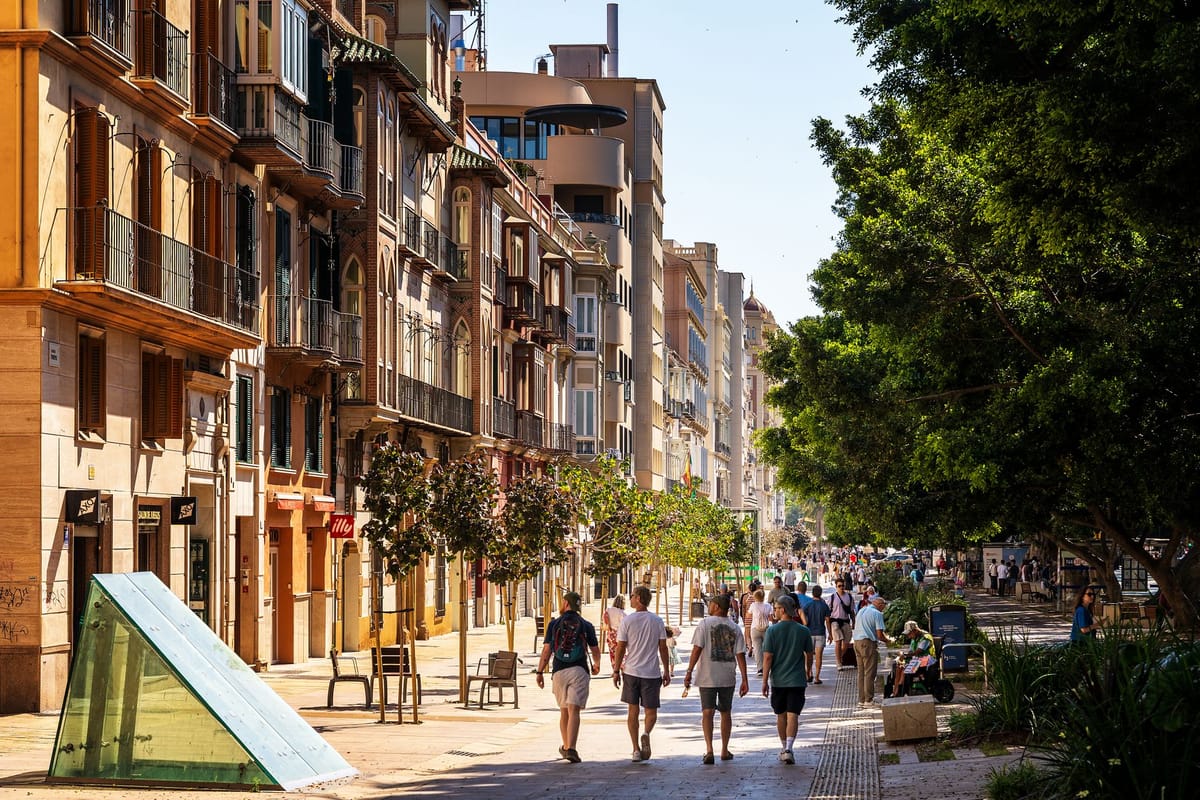
The Balearics' great identity festival is Dia de les Illes Balears, celebrated every 1 March and a public holiday across the whole archipelago. It commemorates the entry into force, on 1 March 1983, of the islands' first Statute of Autonomy. Around this institutional date orbit much older, more popular festivals, specific to each island. Here is which ones genuinely matter, and when to mark your calendar.
What exactly is Dia de les Illes Balears?
It is the autonomous community's official festival, the Balearic equivalent of a regional national day. According to the Balearic Government, the Statute of Autonomy became Organic Law 2/1983 on 25 February 1983, but it only took effect on 1 March, the day it was published in the official state gazette (BOE). That date was chosen as Dia de les Illes Balears. The celebration has been official since 1984, but only became a non-working day in 1999, and the current 2007 Statute (also approved on 1 March) sets the date as a holiday across the whole archipelago.
In practice, the day is mostly institutional: the Balearic Government hands out its Gold Medal and the Premis Ramon Llull, its highest civil honours, that day, and each island runs concerts, open days and events. Worth noting for 2026: since 1 March falls on a Sunday, the official CAIB working calendar moves the holiday to Monday 2 March, giving a long weekend. It is a recent, political festival, unlike the great popular festivals, which trace their roots back centuries into rural and maritime tradition.
Which fire festivals light up winter?
Two saints share January, and both are celebrated around fire. The first is Sant Antoni, on 17 January, patron saint of animals. The evening before (the revetla), bonfires (foguerons) are lit in the street, around which llonganisses, botifarrons and espinagada, the typical Sa Pobla pie, are grilled. The village of Sa Pobla, in Mallorca, is its undisputed capital: costumed dimonis (devils), traditional dance and music fill the streets. The following day sees the beneides, the blessing of animals in front of the church. In Ibiza, the festival is most alive in Sant Antoni de Portmany.
Three days later comes Sant Sebastia, Palma's patron saint, whose festival falls on 20 January. It is THE great winter fixture of the capital: the city turns its squares (Placa Major, Cort, Placa d'Espanya) into free concert stages, sets up municipal bonfires with open grills for torrades, and closes the festivities with a correfoc, the fire run where devils spin firecrackers and showers of sparks. In 2026, the big revetla is held on the evening of Monday 19 January, the eve of the local public holiday.
Sant Joan in Ciutadella, the festival of horses?
Yes, and it is probably the archipelago's most spectacular festival. The Festes de Sant Joan in Ciutadella, Menorca, run on 23 and 24 June, and horses are the true stars. According to the Ciutadella town hall, it all starts the previous Sunday (the Diumenge des Be) with the Homo des Be, a man dressed in sheepskins. The heart of the festival, on 23 June (Dissabte de Sant Joan), sees the qualcada parade through, a procession of riders called caixers who represent the town's old social structure (clergy, nobility, craftsmen, farmers).
The most intense moment is the jaleo: to the sound of music, the horses rear up in the middle of the packed crowd, on the Placa des Born and then at the Pla de Sant Joan, while the crowd tries to touch the rearing horses' chests, a gesture said to bring luck. It is a century-old choreography, both codified and dizzying, that draws thousands of visitors every summer and kicks off Menorca's season of horse festivals.
And in Ibiza and Formentera, what is celebrated?
Far from the clubs, the Pitiusas keep deeply rooted festivals. Ibiza's flagship event is Eivissa Medieval, a large medieval market that takes over Dalt Vila, the fortified old town. The 2026 edition runs from 7 to 10 May with more than 200 craft and food stalls and dozens of performances. The festival commemorates Ibiza's inscription as a UNESCO World Heritage site, achieved in 1999. Ibiza's other major date is Sant Ciriac, on 8 August, patron saint of Eivissa town: a popular picnic on the Puig des Molins hill and a giant fireworks display over the harbour.
Formentera celebrates its own patron saint, Sant Jaume, on 25 July, in the village of Sant Francesc Xavier: a whole-village festival where the entire island gathers around ball pages (traditional peasant dances). The island also holds a strong maritime devotion to the Verge del Carme, patron saint of fishermen, in mid-July. Two intimate festivals, true to Formentera's slow spirit.
The Diada de Mallorca, a festival that divides?
Quite a bit, yes. The Diada de Mallorca, also called the Festa de l'Estendard, commemorates King Jaume I's entry into Madina Mayurqa (present-day Palma) on the last day of 1229. Long presented as one of Europe's oldest civic festivals, it is traditionally celebrated on 31 December. But its date has become a political flashpoint: according to the Consell de Mallorca, the left had fixed it on 31 December from 2016, before the new right-wing majority (PP and Vox) moved it to 12 September in 2023, deeming the 31 December version too "Catalanist". The cultural body Obra Cultural Balear, for its part, keeps celebrating it on 31 December. A calendar dispute that says a lot about how history gets told in the Balearics.
On which dates? The calendar of festivals that matter
From January to December, each island has its own major date. Here is the reference to keep handy.
| Festival | Island / place | Date | What it looks like |
|---|---|---|---|
| Sant Antoni | Sa Pobla (Mallorca), Sant Antoni de Portmany (Ibiza) | 16-17 January | Bonfires, dimonis, blessing of animals |
| Sant Sebastia | Palma (Mallorca) | 19-20 January | Revetla, square concerts, torrades, correfoc |
| Dia de les Illes Balears | Whole archipelago | 1 March (public holiday) | Institutional festival, gold medal ceremony |
| Eivissa Medieval | Dalt Vila (Ibiza) | Early May (7-10 May 2026) | Medieval market in the UNESCO-listed old town |
| Sant Joan | Ciutadella (Menorca) | 23-24 June | Horses, caixers, caragol, jaleo |
| Sant Jaume | Sant Francesc (Formentera) | 25 July | The village's patron saint festival, ball pages |
| Sant Ciriac | Eivissa (Ibiza) | 8 August | Picnic at Puig des Molins, fireworks over the harbour |
| Diada de Mallorca | Mallorca | 31 December (or 12 September) | Civic festival, Jaume I's entry into the city |
What do these festivals say about island identity?
A great deal, starting with language. The names of the festivals, the characters (caixers, dimonis, fabioler) and the songs are said in Balearic Catalan, with its Mallorcan, Menorcan and Eivissenc variants. The festival is the first place this language lives in the street, which explains its weight for identity, a point we cover in our guide to whether you should learn Catalan in the Balearics. Three great symbols follow: the cavalls, Menorca's trained horses, the island's equestrian pride; the dimonis, the devils of Mallorcan tradition; and the correfoc, the fire run inherited from the Catalan-speaking lands, where sparks and drums create a collective communion.
These festivals also tell the story of a society: first rural and Catholic (the saints protecting animals and harvests), then maritime (the Verge del Carme of the fishermen), and finally proud of its history (Jaume I, the 1229 and 1235 conquest). They remain, above all, a powerful social glue, much like the neighbourhood festivals we describe in our article on the Balearics' community associations. For anyone settling here, joining a revetla or a fogueró remains the simplest way to understand the soul of the islands, well beyond the postcard.
Frequently asked questions
What is the Balearics' true national festival?
Dia de les Illes Balears, on 1 March, the only official public holiday shared by the whole archipelago. It commemorates the entry into force of the first Statute of Autonomy in 1983.
Is 1 March a public holiday in 2026?
Yes, but since it falls on a Sunday, the CAIB working calendar moves the non-working day to Monday 2 March 2026.
Which festival is the most spectacular?
The Festes de Sant Joan in Ciutadella, Menorca, on 23 and 24 June, with horses rearing up in the middle of the crowd (the jaleo).
What is a fogueró and a correfoc?
A fogueró is a large street bonfire around which people grill food and celebrate, typical of Sant Antoni and Sant Sebastia. The correfoc is a "fire run" where devils spin firecrackers and sparks through the streets.
Do all the islands celebrate the same thing?
No: each island, and often each village, has its own patron saint and date. Only Dia de les Illes Balears is shared by Mallorca, Menorca, Ibiza and Formentera.
Dates and programmes change year to year; check official sources before you plan a trip around them. Information verified in August 2026. The Daily Baleares is an AI-assisted publication with human review.
Le Livre blanc 2026 de l'expat
NIE, empadronamiento, fiscalité, école, logement : tout l'essentiel pour s'installer, réuni dans un guide PDF. Laisse ton e-mail, on te l'envoie.
🎉 Et voilà ! Ton Livre blanc 2026 de l'expat s'ouvre ici :
Ouvrir le Livre blanc 2026Dernière étape pour rejoindre l'aventure : confirme ton inscription dans l'e-mail qu'on vient de t'envoyer.
Réagis à cet article