
Who keeps the Balearics' neighbourhoods and villages alive all year round?
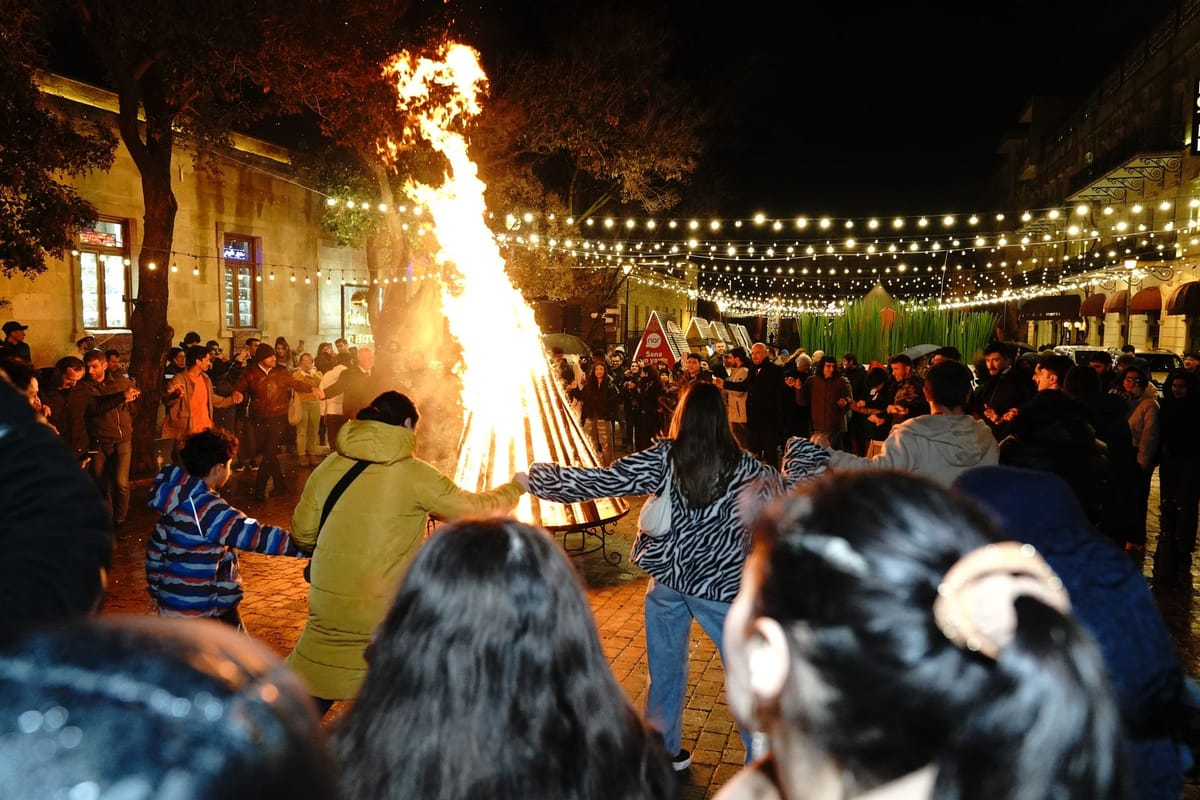
It is neither the town hall nor the hotels that keep a Balearic neighbourhood alive all year, but a very concrete network of volunteers: the obreries and comissions de festes that organise the patron saint's festival, the colles (of dimonis, gegants, xeremiers, ball pages) that make it dance, and above all the associacions de veins (neighbourhood associations) and casals de barri (community centres) that keep the shop running the other 360 days. The big festival is only the visible part of twelve months of ant-like work. Here is who does what, island by island, and how to join in as a newcomer.
Who really animates a Balearic neighbourhood or village?
A handful of structures, all run by neighbours. At the top of the festive calendar sits the obreria (or comissio de festes): a group that organises the patron saint's festival, manages the funds, assigns roles, and negotiates with the town hall (ajuntament). Around it orbit the colles, the themed troupes that give the festival its face: colla de dimonis (devils), colla de gegants i caps grossos (giants and big-heads), xeremiers (Mallorcan bagpipe players), or colla de ball pages in the Pitiusas. And underneath, the foundation that never sleeps: the associacions de veins (neighbourhood associations) and casals de barri, the community houses where classes, meetings and small street parties happen. The patron saint's festival is a peak; the association and the casal are the steady current.
This fabric goes well beyond folklore. Neighbourhood associations also defend the area against the town hall, fight isolation among older residents, and welcome newcomers. It is a discreet but dense network, which explains why a small Balearic village can have a richer social life than an anonymous big city.
In Palma, what do the casals de barri and neighbourhood associations do?
In Palma, the heart of the engine is 34 municipal casals de barri spread across the city. According to local press, the 2024-2025 municipal programme offered 234 activities, close to 3,900 places and more than 4,300 hours of workshops, concentrated in 11 casals run directly by the town hall (S'Escorxador, Santa Catalina, Es Jonquet, Pere Garau, Son Gotleu, Son Cladera, Sant Jordi, and others). The other casals are handed over to local groups to run, meaning mostly the neighbourhood associations, which organise their own programme there: Catalan classes, gentle exercise, open-air cinema, a Repair Cafe, second-hand markets or a street party.
These associations are federated under the Federacio d'Associacions de Veins de Palma, founded in 1980, which has united the capital's neighbourhoods for more than forty years. The model has its limits: according to local press, close to one in three neighbourhood groups in Palma still has no stable venue for its activities, which weighs on the poorer neighbourhoods. But the idea stays the same across the archipelago: a room, a few volunteers, a calendar, and the neighbourhood breathes.
Sant Antoni, Sant Sebastia: where do the dimonis and bonfires come from?
From the colles, precisely. Mallorca's winter opens with two fire festivals: Sant Antoni (16-17 January) then Sant Sebastia, Palma's patron saint, around 20 January. On the eve, the revetla, bonfires (foguerons) are lit in the street, where llonganissa and botifarro sausages are grilled. And it is colles de dimonis, found in almost every Mallorcan village with their own masks and costumes, who embody the devils tempting Sant Antoni in the legend, then lead the correfoc, the fire run where sparks and drums bring the crowd together. These troupes rehearse, sew and maintain their masks all year for three nights of climax.
For Sant Sebastia 2026, the municipal programme confirms this pattern: revetla and bonfires in the neighbourhoods on Monday 19 January, a Trobada de Gegants (giants' gathering) on the 24th, and a correfoc with colles i dimonis on Sunday the 25th. Two other pillars accompany these processions: the gegants i caps grossos and the xeremiers. According to local sources, Inca's giants, arriving in 1928, are the oldest in the archipelago, and Palma acquired a new processional pair in 1999, Tomeu and Margalida. As for the xeremia, the local bagpipe, it nearly disappeared under Franco's regime before being revived from the first xeremiers gathering held in 1974 in Montuiri by the Obra Cultural Balear. Behind every bagpipe and every giant, there is a colla passing the craft on.
In Menorca, who organises the festa? The obreria and the caixers
In Menorca, festival organisation is a model of popular institution. The Festes de Sant Joan in Ciutadella (23-24 June), the island's most famous, rest on a brotherhood dating back to the 14th century around the hermitage of Sant Joan de Missa. According to heritage records, its backbone remains the Junta de Caixers, an obreria that reproduces old Menorcan society: the caixer senyor (nobility), the caixer capella (clergy), the caixer casat or menestral (craftsmen), and the caixers pagesos (farmers). They are the ones who set the running order, appoint the riders, and ensure the protocol is respected, parade after parade.
This is not unique to Ciutadella: every Menorcan village, from Es Mercadal to Sant Lluis via Ferreries, has its own obreria preparing its summer festa, with its own caixers and horses. A weekend festival is the culmination of a year of meetings, horse training and fundraising.
And in Ibiza and Formentera, who keeps the tradition?
In the Pitiusas, it is the colles de ball pages. In Eivissa as in Formentera, every village has its own peasant-dance group, which performs at every patron saint's festival and at the xacotes, the summer gatherings where people dance near wells and springs to the sound of flabiols and drums, from late June to September. These colles have been united since 1998 within the Federacio de Colles de Ball i Cultura Popular d'Eivissa i Formentera, which coordinates the calendar and passes the tradition down. Troupes such as Sa Colla de Sant Rafel or Sa Colla de Can Bonet even co-organise their parish's patron saint's festival.
On islands under heavy tourist pressure, these colles and comissions play a major role in identity: they keep a community life of islanders going, away from the clubs and yachts, with very lively village patron saint's festivals. They also connect to the archipelago's big festivals, which we cover in our calendar of the Balearics' festivals that genuinely matter.
Who does what, and when? The table of players
To find your way, here are the main players in the Balearic social fabric, what they do and when they take the stage.
| Community player | What it does | When it acts |
|---|---|---|
| Obreria / comissio de festes | Organises the patron saint's festival, manages funds, assigns roles, deals with the town hall | Year-round, peaking as the festa approaches |
| Junta de caixers (Menorca) | Runs the qualcada and jaleo, trains the horses, ensures protocol | Preparation from spring, performance in summer |
| Colla de dimonis (Mallorca) | Makes masks and costumes, leads the correfoc, plays the devils | Winter, around Sant Antoni and Sant Sebastia |
| Colla de gegants i xeremiers | Animates parades and village festivals, passes on bagpipe and giant traditions | Throughout the year's patron saint festivals |
| Colla de ball pages (Eivissa / Formentera) | Passes on peasant dance, performs at festivals and xacotes | Mostly late June to September |
| Associacio de veins | Defends the neighbourhood, organises street parties and workshops, welcomes newcomers | Year-round |
| Casal de barri | A space for classes, meetings, cinema, meet-up cafes | Year-round, except the quiet summer months |
Newcomer: how do you join this social fabric?
Through the casal's door, quite simply. The fastest way out of an expat bubble is to push open the door of your street's neighbourhood association or casal de barri and sign up for an activity: a class, a workshop, a helping hand for the neighbourhood festival. You get in through pitching in far more than through a membership card. Many colles (dimonis, gegants, ball pages) also recruit volunteers year-round, with no requirement to have been born on the island.
One lever matters more than the others: language. The names of festivals, roles and songs are said in Balearic Catalan (Mallorcan, Menorcan, Eivissenc), and understanding a few words opens doors immediately, as we explain in our guide to whether you should learn Catalan in the Balearics. It is also excellent ground for building real local friendships, a genuine challenge after 40 that we cover in our article on friendship after 35 as an expat in the Balearics. At its core, the stakes are about identity: this associative fabric is where an island culture, its language and its traditions, keep living day to day rather than fading into a postcard.
Frequently asked questions
What exactly is an obreria?
It is the group of volunteer neighbours who organise the patron saint's festival: managing funds, assigning roles, and coordinating the programme. In Menorca, it takes the form of a Junta de Caixers overseeing the riders of Sant Joan.
Colla, neighbourhood association, casal: what is the difference?
A colla is a festive troupe (devils, giants, dancers). The associacio de veins defends and animates the neighbourhood year-round. The casal de barri is the venue, often municipal, where classes, meetings and small festivals take place.
Can you join a colla without being born in the Balearics?
Yes. Most colles de dimonis, de gegants or de ball pages welcome volunteers year-round. The simplest approach is to contact the association or casal in your neighbourhood or village.
Where can you find these associations in Palma?
Through the Federacio d'Associacions de Veins de Palma and the city's network of 34 casals de barri, whose programme is published by the town hall each September.
Do these structures only function on festival day?
No, quite the opposite. The festival is the visible peak, but most of the work (meetings, workshops, horse training, rehearsals, mutual aid) happens the rest of the year, in the casals and association venues.
Information verified in August 2026. The Daily Baleares is an AI-assisted publication with human review.
Le Livre blanc 2026 de l'expat
NIE, empadronamiento, fiscalité, école, logement : tout l'essentiel pour s'installer, réuni dans un guide PDF. Laisse ton e-mail, on te l'envoie.
🎉 Et voilà ! Ton Livre blanc 2026 de l'expat s'ouvre ici :
Ouvrir le Livre blanc 2026Dernière étape pour rejoindre l'aventure : confirme ton inscription dans l'e-mail qu'on vient de t'envoyer.
Réagis à cet article