
Traditional dance in the Balearics: ball de bot and xeremies
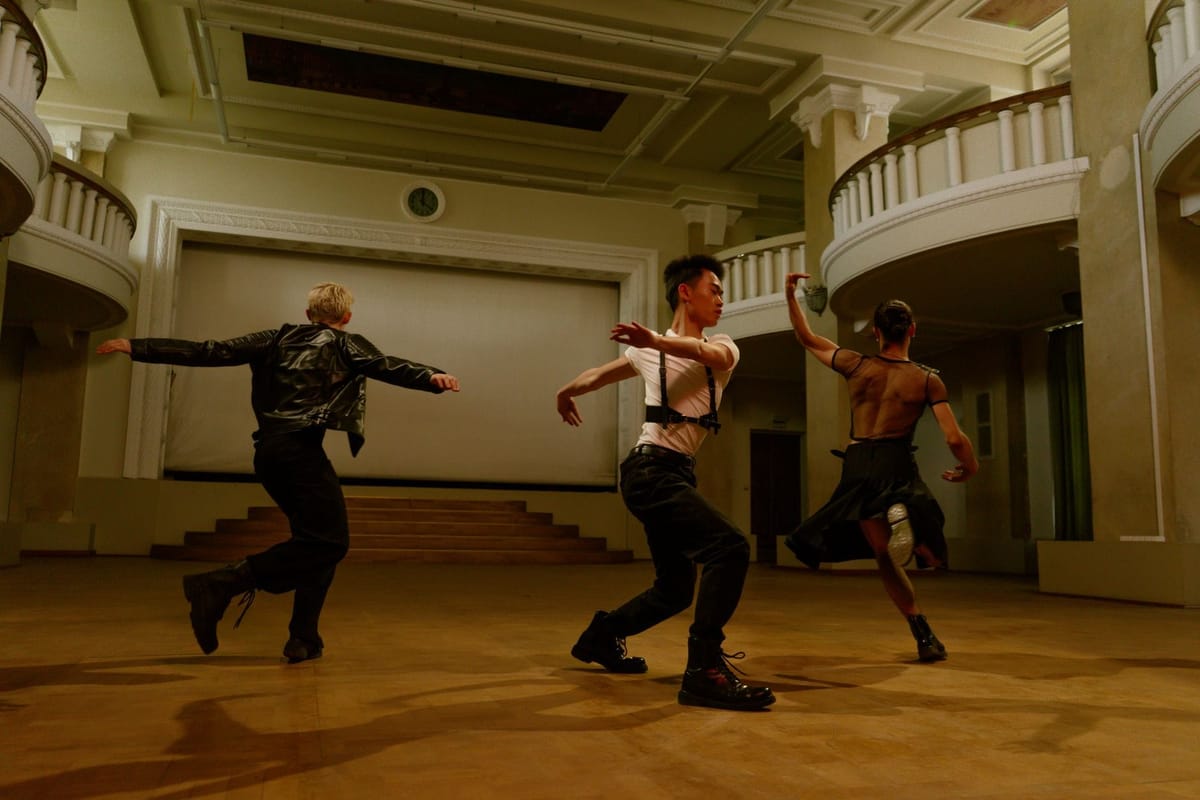
In the Balearics, folk dance is called the ball de bot, a generic term covering the couple and group dances of Mallorca, accompanied by the xeremies, the local bagpipe. A tradition that nearly disappeared in the 20th century, saved by an identity movement in the 1970s, and very much alive today at village festivals as well as on stage.
What exactly is the ball de bot?
The ball de bot is not a single dance but a family: the jota (in couples, triple time, castanets), the bolero mallorqui (slower, more theatrical), the fandango, and the livelier mateixa and copeo, mostly danced in the east of the island. Its oldest documented origins, dances performed in a group formation, date back to the 14th century, even though the form we know today owes a great deal to Spanish influences that arrived in the 18th and 19th centuries. Two words worth knowing so you do not misread what you are watching: a mostra is a costumed stage performance by a folk group, a ballada popular is a participatory dance in everyday clothes, in a public square, where you simply follow the more experienced dancers.
The xeremies, the bagpipe that nearly disappeared
The xeremies are a traditional bagpipe, generally played alongside the flabiol (a small flute) by a "colla de xeremiers". Under Franco's regime, the practice declined sharply, as popular festivals were tightly controlled. The turning point came in the 1970s: cultural activists, including Antoni Artigues, turned it into a symbol of identity against the regime. In August 1974, the first major gathering of xeremiers groups brought together around twenty ensembles in Montuiri. Since 1994, the town of Sa Pobla has hosted an annual bagpiper gathering and instrument-maker fair every late November, still one of the reference events for discovering the instrument.
Where can you see folk groups today?
Several historic groups keep the tradition alive. In Mallorca, Aires Mallorquins, founded in 1940, still trains dancers and musicians. The most complete single event to see it all is the Mallorca World Folk Festival, in early April in Palma, which brings together dozens of Mallorcan and international groups across several squares in the historic centre (Passeig del Born, Placa d'Espanya). You will also come across these groups at major patron saint festivals, particularly Sant Antoni in Sa Pobla, the historic home ground of the xeremiers.
The other islands have their own traditions: in Ibiza, the ball pages is still carried by fourteen federated "colles", with instruments of their own (drum, flute, and the espasi, a sword used for percussion). In Menorca, the jota and the fandango remain the most representative dances, passed down notably through local groups since the post-war period.
The Ball dels Cossiers, a ritual all of its own
Not to be missed if you want to see something unique in the Balearics: the Ball dels Cossiers of Algaida, documented as early as the 16th century, danced by six "cossiers", a "dama" and a "dimoni" (devil), to the sound of the flabiol and the tambourine. It takes place twice a year, on 16 January and 24 July. It is a ritual distinct from the ball de bot, a piece apart of Balearic identity.
Where can you learn the ball de bot?
Several schools and associations in Palma offer classes, often free or low-cost, generally run by cultural associations or municipal centres. The best way to start is to ask directly at your town hall or a neighbourhood cultural centre: times and venues change regularly from one season to the next.
Frequently asked questions
What is the ball de bot?
A generic term for Mallorca's folk dances (jota, bolero mallorqui, fandango, mateixa), danced in couples or groups, traditionally accompanied by the xeremies and the flabiol.
What are the xeremies?
The traditional bagpipe of the Balearics, generally played alongside a small flute, the flabiol. The practice nearly disappeared under Franco's regime before being revived as a symbol of identity in the 1970s.
Does the muixeranga exist in the Balearics?
No, that is a tradition from the Valencia region (human towers), with no old, native equivalent in the Balearics. The distinct local ritual worth knowing here is the Ball dels Cossiers of Algaida instead.
Information verified in August 2026. The Daily Baleares is an AI-assisted publication with human review.
Le Livre blanc 2026 de l'expat
NIE, empadronamiento, fiscalité, école, logement : tout l'essentiel pour s'installer, réuni dans un guide PDF. Laisse ton e-mail, on te l'envoie.
🎉 Et voilà ! Ton Livre blanc 2026 de l'expat s'ouvre ici :
Ouvrir le Livre blanc 2026Dernière étape pour rejoindre l'aventure : confirme ton inscription dans l'e-mail qu'on vient de t'envoyer.
Réagis à cet article