
Ceuta migrant alert: Moncloa backs Marlaska over Robles
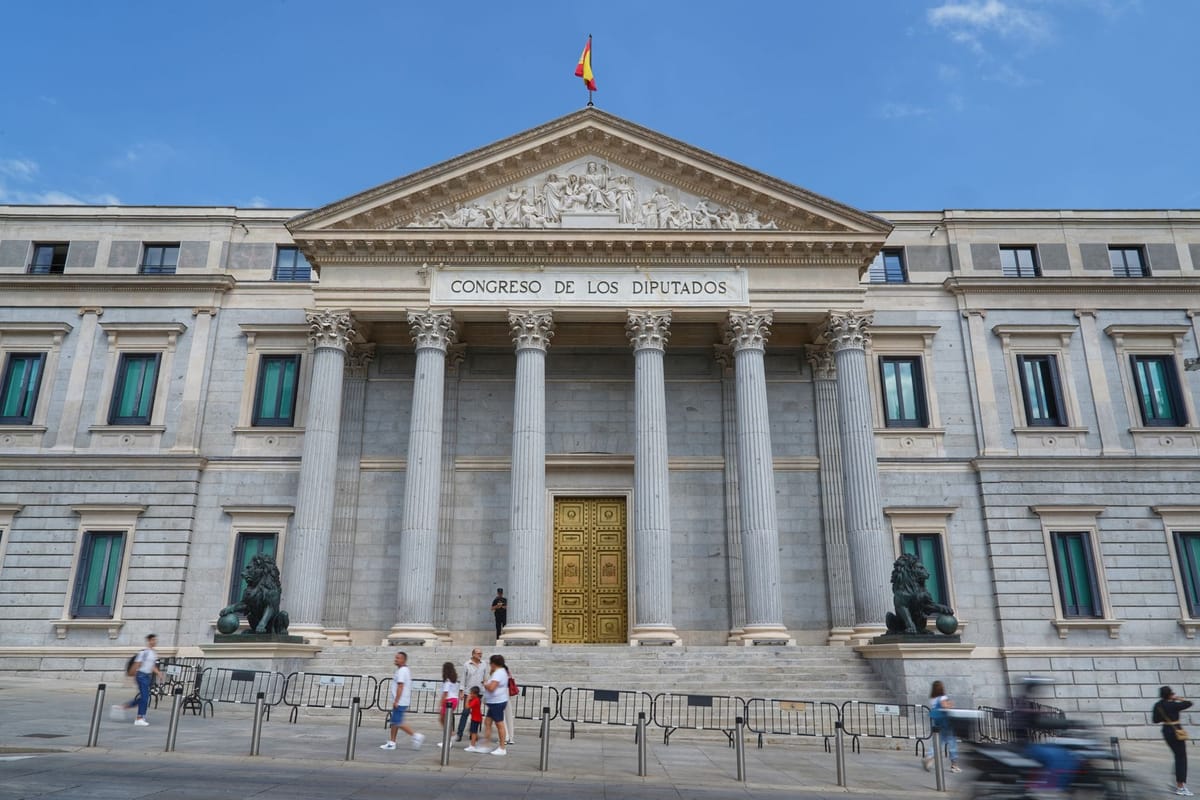
Here is where things stand today, and it is worth reading outlet by outlet because the Spanish press does not tell it with one voice. According to El Independiente, the row started on 25 August 2026, when Defence Minister Margarita Robles told the Congress of Deputies that the CNI, Spain's intelligence service, had warned the government's delegation in Ceuta on 29 July of a planned attempt to swim into the city the next day. The same outlet notes that Interior Minister Fernando Grande-Marlaska flatly contradicted her, insisting no CNI report, before or after, ever announced a mass entry of migrants. A day later, El Independiente adds, the government delegation in Ceuta itself denied receiving any such warning, leaving two members of the same cabinet telling opposite stories.
The tipping point came on 26 August 2026. El Mundo, relayed by Deia because access to elmundo.es is blocked, reports that Moncloa settled the dispute in Marlaska's favour and publicly disowned Robles on the CNI question. El Plural and Mundiario go further, framing that move as evidence of an "internal war" inside Pedro Sánchez's executive, with the Defence Minister increasingly isolated. El Español, citing Moncloa sources, describes her position as untenable and says she has been outvoted within the cabinet, though those same sources rule out, for now, any resignation or dismissal. One attempt at damage control stands out: Moncloa.com quotes Socialist spokesman Patxi López suggesting on 26 August that "both versions can be true," a formula meant to defuse the clash rather than resolve it.
To understand why this is trending, you have to go back to the crisis itself. El Independiente recalls that the Ceuta situation began in late July 2026, and that as early as 11 August Robles had already distanced herself from Marlaska and Foreign Minister Albares, announcing an appearance before the Senate. The scale is still blurry: Mundiario reported on 27 August that the executive now estimates total entries into Ceuta at between 70,000 and 80,000, a figure revised upward day by day and, the outlet stresses, uncertain because no closed register exists. Mundiario also details the human cost recorded by the juvenile prosecutor's office: 1,475 migrant minors identified in Ceuta, roughly 1,400 spread across 15 reception centres and about 300 girls taken in by neighbourhood groups, a rise of 1,000 identified minors compared with before 31 July. The government claims more than 90% of those who entered have returned to Morocco, again without a definitive count.
The tone of the coverage tells its own story. On 27 August, La Vanguardia ran a piece headlined "La ministra de Defensa, a los pies de los caballos," a Spanish expression for being left exposed and at the mercy of events. We could only confirm the headline and its angle, since direct access was blocked, but it captures where Robles now sits in the eyes of the press. Two questions remain genuinely open, and no outlet resolves them: the true number of people who crossed into Ceuta (early tallies near 50,000, then around 72,000, now the official 70,000 to 80,000 range), and whether a formal written CNI report actually existed before 30 July. On that last point the two ministers' accounts still contradict each other, and no independent official source has arbitrated between them.
Sources : El Independiente, El Mundo, Deia, El Plural, Mundiario, Moncloa.com, El Español, La Vanguardia, Google Trends.
Le Livre blanc 2026 de l'expat
NIE, empadronamiento, fiscalité, école, logement : tout l'essentiel pour s'installer, réuni dans un guide PDF. Laisse ton e-mail, on te l'envoie.
🎉 Et voilà ! Ton Livre blanc 2026 de l'expat s'ouvre ici :
Ouvrir le Livre blanc 2026Dernière étape pour rejoindre l'aventure : confirme ton inscription dans l'e-mail qu'on vient de t'envoyer.
Réagis à cet article