
Jellyfish on Balearic beaches: how to recognise, react and protect yourself
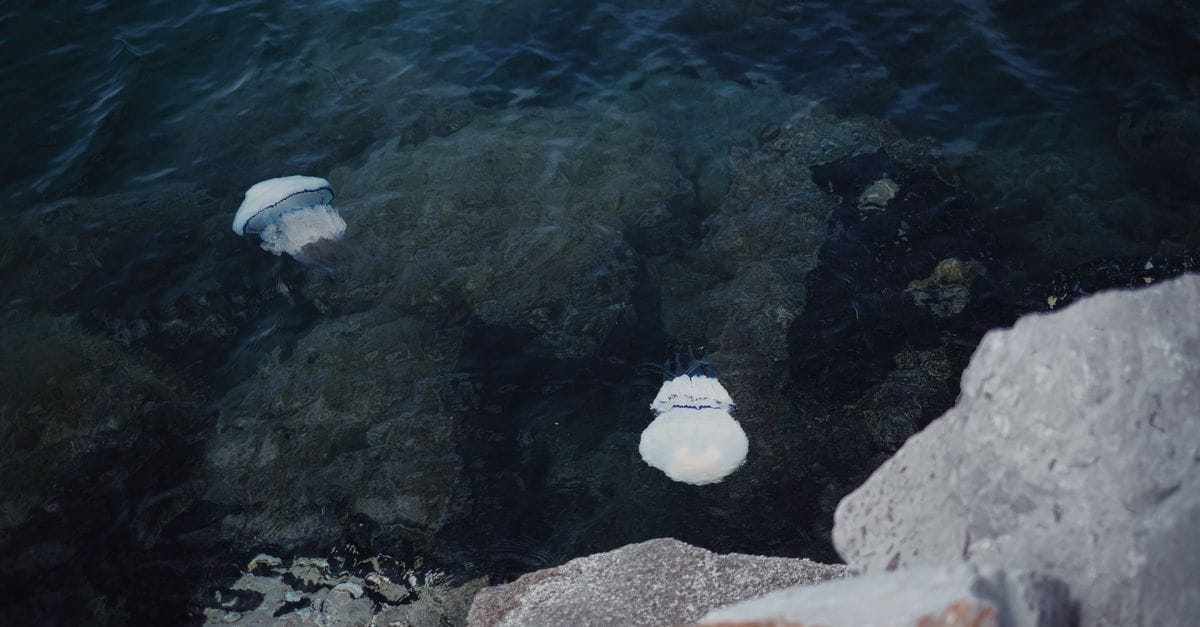
The jellyfish you will most often come across in the Balearics is the Pelagia noctiluca, the mauve stinger, painful but rarely dangerous. If you are stung, the right response fits in four steps: get out of the water calmly, remove the tentacles without touching them with bare hands, rinse with seawater (never fresh water), then treat and monitor. And before you swim, a glance at the flags and the apps is often enough to avoid the problem entirely.
The topic is timely, since the Pelagia noctiluca is swarming the Mediterranean in 2026 and has already been spotted as far as Ibiza's coast. Here is how to recognise it, react and protect yourself, following the official guidance from the Balearics' 112 service.
Which jellyfish are found in the Balearics?
Most stings on these coasts come from the Pelagia noctiluca, a small mauve jellyfish with luminous spots and long stinging tentacles. It arrives in swarms pushed by wind and currents, mostly in summer, and can affect a large Mallorcan beach as easily as a cove in Ibiza or Formentera. Its sting burns and often leaves the tentacle's mark, but it stays mild for most swimmers. Severe reactions are rare and mostly affect people with allergies, children and sensitive areas.
What should you do if stung, step by step?
Follow this order, recommended by Balearic emergency services. The classic mistake is rinsing with fresh water, which makes the pain worse.
| Step | The right move |
|---|---|
| 1. Stay calm and get out | Leave the water without panicking |
| 2. Remove the tentacles | Not with bare hands, use a card or tweezers |
| 3. Rinse | With seawater, never fresh water |
| 4. Treat | A magnesium sulfate solution for Pelagia noctiluca |
| 5. Do not rub or scratch | This spreads the venom |
| 6. Monitor | Lifeguard post or 112 if the reaction is severe |
Forget beach remedies like urine or vinegar applied by default, not recommended for this species. If you experience breathing difficulty, feel unwell, or have an extensive sting, alert the lifeguard post or call 112.
How do you know if jellyfish are around before you swim?
Two reliable sources. First, beach flags: a yellow flag with a jellyfish symbol signals their presence, a red flag bans swimming. Second, real-time reporting apps, Infomedusa, run by the Balearic Government, and MedusApp, fed by swimmers themselves. A simple habit before you dive in, especially after several days of onshore wind that pushes swarms towards the coast.
How can you avoid them, and what should you never do?
Prevention cuts the risk considerably. A high-SPF sunscreen helps shield skin from the stinging substances. Avoid swimming when the jellyfish flag is up, and never touch a stranded jellyfish or a fragment, since its sting stays active for up to 24 hours out of water. On the sand as in the water, teach children not to play with what they might mistake for a translucent plastic bag.
Frequently asked questions
Is a jellyfish sting dangerous in the Balearics?
Usually not. The Pelagia noctiluca causes a burn and a mark, but stays mild for most people. Caution is warranted for children, people with allergies, and extensive stings, where you should contact 112.
Should you rinse with fresh water or urinate on it?
Neither. Rinse with seawater; fresh water and urine can worsen venom release. Remove the tentacles first with a card, not your hands.
How do you know if a beach has jellyfish?
Check the flag, yellow with a jellyfish for presence, red for a ban, and check the Balearic Government's Infomedusa app or MedusApp before you head out.
Can a dead jellyfish on the sand still sting?
Yes. Its sting stays active for up to 24 hours out of water. Do not touch it, and watch children who might pick it up.
Between jellyfish and mosquitoes, island summers have their small traps, easy to dodge once you know the moves.
Sea conditions and jellyfish presence change daily; always check current flags and apps before you swim. Information verified in August 2026. The Daily Baleares is an AI-assisted publication with human review.
Le Livre blanc 2026 de l'expat
NIE, empadronamiento, fiscalité, école, logement : tout l'essentiel pour s'installer, réuni dans un guide PDF. Laisse ton e-mail, on te l'envoie.
🎉 Et voilà ! Ton Livre blanc 2026 de l'expat s'ouvre ici :
Ouvrir le Livre blanc 2026Dernière étape pour rejoindre l'aventure : confirme ton inscription dans l'e-mail qu'on vient de t'envoyer.
Réagis à cet article