
The Balearics' wine route: where to start, island by island
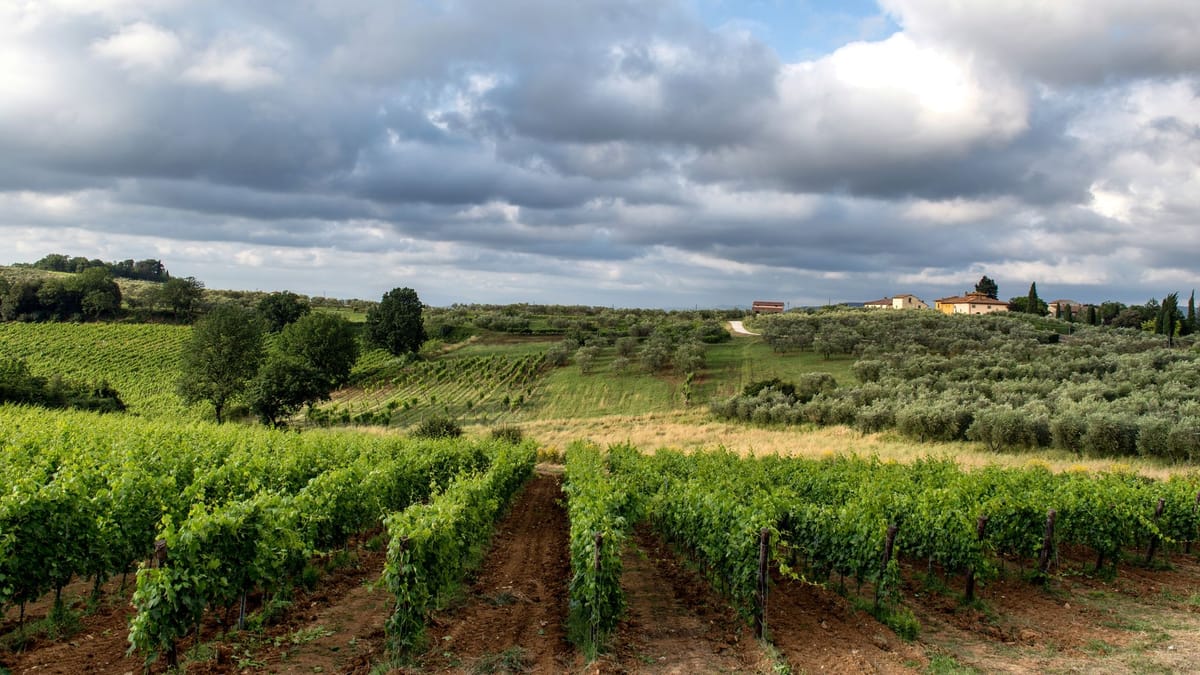
The Balearic wine route is five appellations spread across the four inhabited islands: two designations of origin (DO) in Mallorca, Binissalem and Pla i Llevant, and three protected geographical indications (IGP), Ibiza, Formentera and Menorca. The best starting point is Binissalem, in the centre of Mallorca: the islands' first designation of origin, the densest in wineries open to visitors, and the birthplace of the native grape varieties (Manto Negro, Callet, Moll) you will not drink anywhere else. Here is the rest, island by island, with the estates worth seeking out and where to begin.
Why are Balearic wines worth the detour?
Because they rest on grape varieties the rest of Spain does not have. Manto Negro gives warm, lightly spiced reds, Callet brings structure and an earthy edge, and the white Moll grape (also called Prensal Blanc) produces fresh, easy-drinking whites. These grapes nearly disappeared in the 20th century, saved by a handful of stubborn winemakers. Today, they are the real reason to come: to taste a glass that exists nowhere else. And on islands where vines share the plain with almond and olive trees, the drive counts as much as the tasting.
DO Binissalem: how do you enter Mallorca's vineyards?
This is the leading appellation, and the logical starting point. DO Binissalem was regulated by the Balearic government in the late 1980s and ratified in 1991, making it the archipelago's first designation of origin. It covers five municipalities in central Mallorca: Binissalem, Santa Maria del Cami, Consell, Santa Eugenia and Sencelles. House rule: a Binissalem red must contain at least 50 percent Manto Negro, a white at least 50 percent Moll.
Three addresses to start with. Jose L. Ferrer, a family winery founded in 1931, a pioneer of oak-barrel ageing on the island and one of the driving forces behind the appellation. Macia Batle, in Santa Maria del Cami, one of the best known and best set up to welcome visitors. And Finca Biniagual, a small restored wine hamlet built around its vineyard, perfect if you are after atmosphere rather than a big cellar.
DO Pla i Llevant: how does it differ from Binissalem?
Mallorca's second designation of origin covers the east and east-centre of the island, around Felanitx and Manacor. The vineyard is more scattered and more experimental here. Around ten wineries and a good sixty growers now produce reds, whites, roses, sparkling wines and even sweet wines, from local varieties such as Callet, Manto Negro, Fogoneu and Gorgollassa for reds, and Premsal Blanc and Giro Ros for whites.
The address not to miss: Anima Negra, in Felanitx, founded in 1994. It is probably the first winery in Mallorca to have bet exclusively on native varieties. Its signature grape is Callet, carried through to its top-tier "AN" cuvee. A visit here is a chance to grasp why the islands' wines have regained their standing.
The appellations at a glance
Five appellations, five personalities. The table below helps you spot which suits your stop and what you feel like drinking.
| Appellation | Island | Status | Flagship grapes | A few wineries |
|---|---|---|---|---|
| DO Binissalem | Mallorca (centre) | Designation of origin, ratified in 1991 | Manto Negro, Callet, Moll (Prensal Blanc) | Jose L. Ferrer, Macia Batle, Finca Biniagual |
| DO Pla i Llevant | Mallorca (east) | Designation of origin | Callet, Manto Negro, Fogoneu, Gorgollassa, Premsal Blanc | Anima Negra (Felanitx) |
| IGP Ibiza | Ibiza | Protected geographical indication, recognised since the mid-2000s | Monastrell, Malvasia, international varieties | Can Rich, Ibizkus, Can Maymo |
| IGP Formentera | Formentera | Protected geographical indication | Monastrell, Malvasia, Syrah, Viognier, Garnacha Blanca | Terramoll |
| IGP Menorca | Menorca | Protected geographical indication | Local and international blends, sparkling wines | Binifadet (Sant Lluis) |
IGP Ibiza: where can you taste between two beaches?
In Ibiza, vines existed long before the clubs. The "Vino de la Tierra Ibiza" IGP has been recognised since the mid-2000s (sources vary on the exact year). Today, a handful of wineries carry it, often organically farmed, on grapes ranging from Monastrell and Malvasia to international varieties.
Three names come up whenever wine tourism is mentioned on the island. Can Rich, near Sant Antoni de Portmany, a pioneer of local organic farming and easy to combine with a day on the west coast. Can Maymo, rooted in the countryside of Sant Mateu d'Aubarca. And Ibizkus, whose reds have made a name for themselves. A reminder that Ibiza is also worth drinking far from the speakers.
IGP Formentera: what should you drink on the smallest island?
Formentera cuts a curious figure: a few hectares of vines facing the sea, on their own dedicated IGP. The name to remember is Terramoll, founded in 2000 and now the island's reference in organic winemaking. It works native varieties such as Monastrell and Malvasia, rounded out with Syrah, Viognier, Garnacha Blanca and Moscatel. In 2025, wine group Vintae took a stake and took over managing the estate, a sign that Formentera's potential goes beyond the postcard. On such a tiny island, a cellar visit fits easily between two coves.
IGP Menorca: one island, one flagship winery, and bubbles?
Menorca, a biosphere reserve, grows quiet but rising winemaking. The essential address is Binifadet, in Sant Lluis, in the south of the island. The winery opened to the public in 2004, but the family adventure dates back to 1979, when Carlos Angles planted his first vines. It is now the island's biggest producer, with around 55,000 bottles a year, and the only house making sparkling wine on the island. The estate offers a guided visit followed by a tasting, often paired with an on-site restaurant.
Two other small Menorcan wineries sometimes appear in local itineraries (around Binitord and Binigarba), but public information stays thin: better to check hours and visiting conditions directly before you go.
How do you plan a wine route without getting it wrong?
A few practical habits. First, book ahead: most wineries only welcome visitors by appointment, with fixed visit slots (Binifadet, for instance, alternates Spanish- and English-language tours). Second, focus by island: Binissalem and Pla i Llevant combine into a weekend in Mallorca, while Ibiza, Formentera and Menorca are each best tasted on their own turf, without racing between islands. Finally, designate a driver or book an organised excursion, drink-driving is not forgiven here either.
To plan your visits, the regional tourist board publishes island-by-island "ruta del vino" itineraries, handy for spotting which estates are open. And since a good glass calls for a good table, follow up with our guide to what to eat in the Balearics, or combine cellar and fresh air with our ideas for hiking in the Balearics.
Frequently asked questions
How many wine appellations are there in the Balearics?
Five: two designations of origin in Mallorca (DO Binissalem and DO Pla i Llevant) and three protected geographical indications, IGP Ibiza, IGP Formentera and IGP Menorca.
Which grape variety should you try first?
Manto Negro for Binissalem reds, Callet for Pla i Llevant reds, and the white Moll grape (Prensal Blanc). These are local varieties found practically nowhere else in the world.
Can you visit the wineries year-round?
Many open year-round, but by appointment and with hours that vary by season. Always book ahead, especially outside summer and on the smaller islands.
What is the oldest appellation in the Balearics?
DO Binissalem, in Mallorca, ratified in 1991. It is the archipelago's first recognised designation of origin.
Is there wine in Formentera and Menorca?
Yes. Formentera has its own IGP, carried notably by the Terramoll winery (organic, founded in 2000). Menorca has its own too, with Binifadet in Sant Lluis as the flagship estate, the island's only sparkling wine producer.
Information verified in August 2026. The Daily Baleares is an AI-assisted publication with human review.
Le Livre blanc 2026 de l'expat
NIE, empadronamiento, fiscalité, école, logement : tout l'essentiel pour s'installer, réuni dans un guide PDF. Laisse ton e-mail, on te l'envoie.
🎉 Et voilà ! Ton Livre blanc 2026 de l'expat s'ouvre ici :
Ouvrir le Livre blanc 2026Dernière étape pour rejoindre l'aventure : confirme ton inscription dans l'e-mail qu'on vient de t'envoyer.
Réagis à cet article